Overview of Framing Services for Property Owners
Visitors will learn about framing services offered by local contractors and how to compare and connect with qualified local service providers.
- - Framing services for homeowners planning renovations or new construction projects.
- - Local contractors specializing in residential and commercial framing work.
- - Service providers experienced in framing for various property types and structural needs.



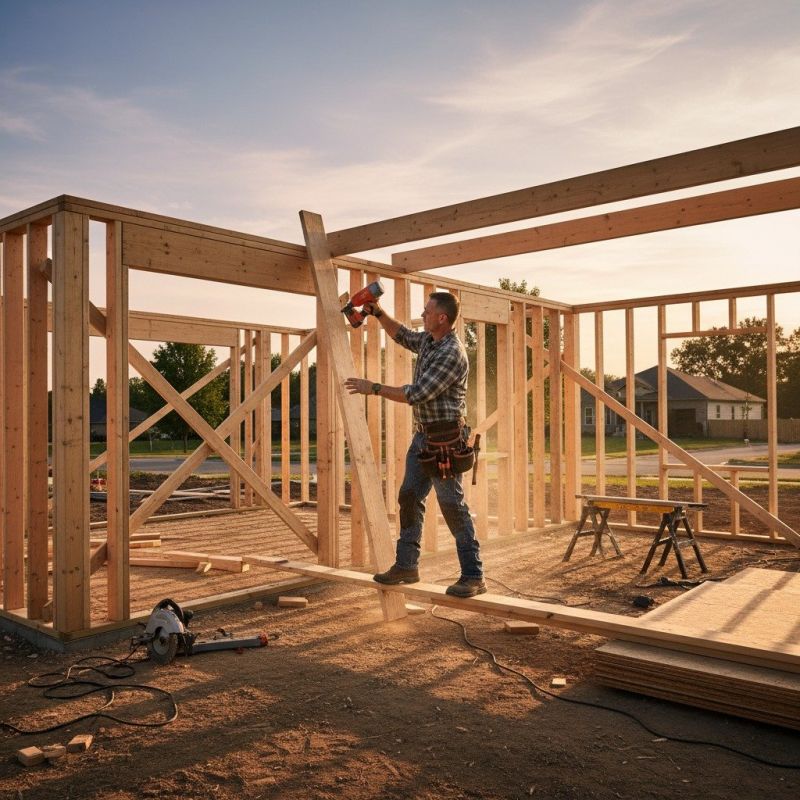
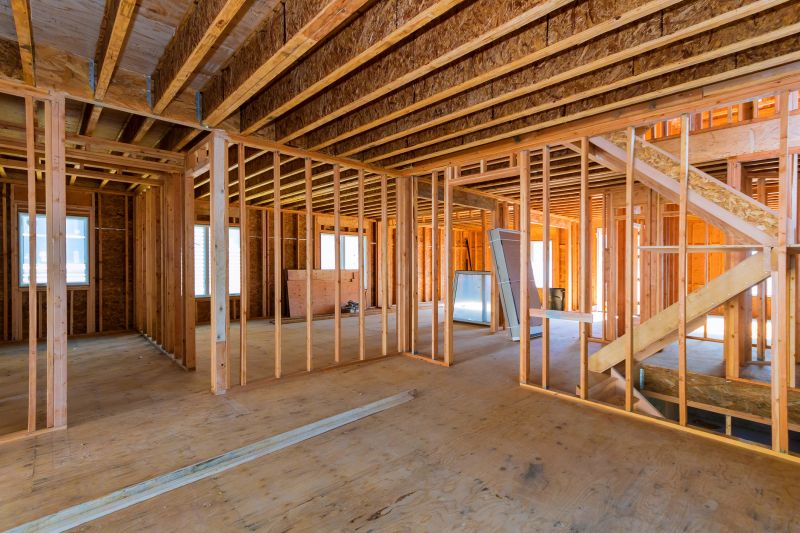
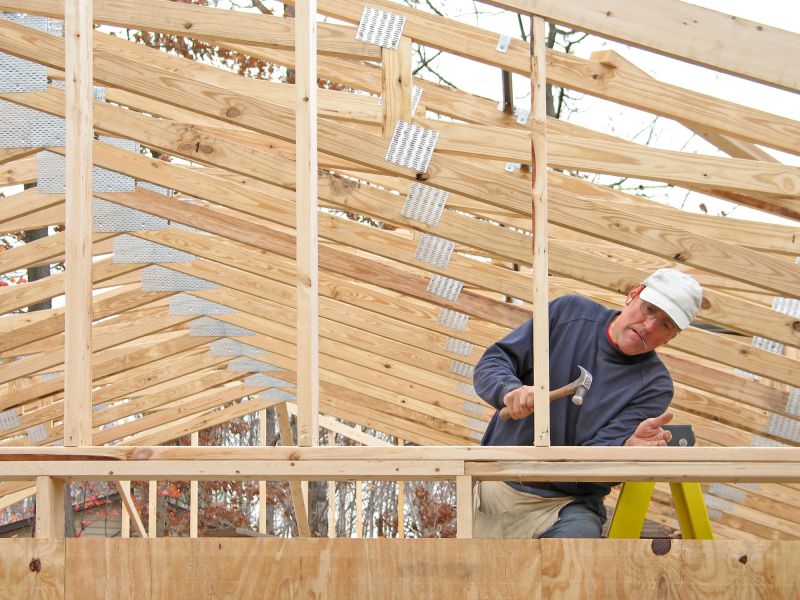
Framing services involve the construction and installation of the structural framework that forms the foundation of buildings, walls, and other structures. Property owners seeking framing work often look for experienced local contractors who can handle projects ranging from new construction to remodeling or additions. These professionals are responsible for building the skeleton of a structure, ensuring it is level, square, and ready for subsequent phases like insulation and drywall. When searching for framing services, property owners can expect local contractors to assess the scope of work, provide guidance on materials, and execute the framing with attention to safety and building standards.
Connecting with skilled local service providers can help property owners find the right fit for their framing needs. Whether working on residential or commercial projects, local pros typically bring experience in handling different types of framing techniques, such as wood or metal. They understand the importance of precise measurements and proper installation to support the integrity of the finished structure. Property owners can expect to receive professional assistance tailored to their specific project requirements, ensuring the framing work is completed efficiently and to the desired specifications.
Framing Services
Expert Project Insights
This guide provides helpful information to understand framing services and what to consider when planning a project. It assists in comparing local contractors and connecting with service providers who handle framing work. The goal is to help visitors gather the basics needed to make informed decisions about their framing needs.